
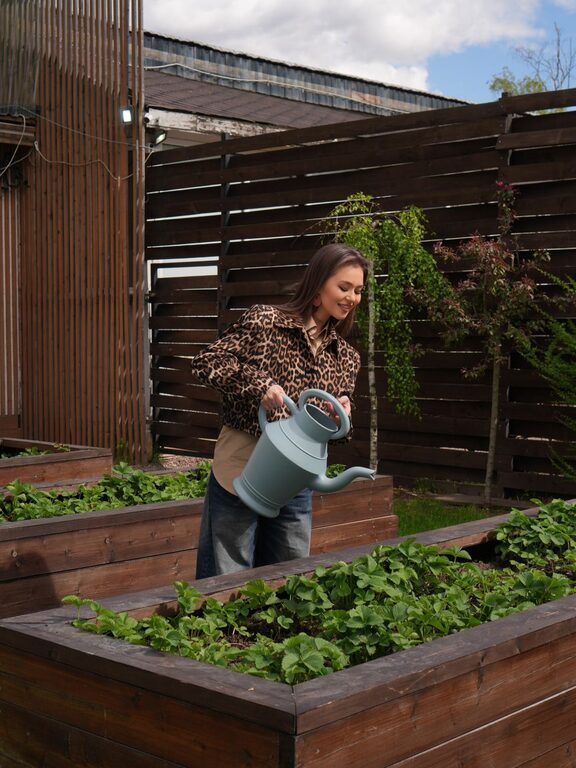
Creating a sustainable home garden that flourishes all year round is a rewarding way to enjoy fresh produce, support local wildlife, and reduce your environmental impact. Whether you have a small backyard, a balcony, or even just a few pots indoors, sustainable gardening practices can help you grow healthy plants while conserving resources. In this post, we’ll explore practical tips and strategies to maintain a thriving garden no matter the season.
What Does It Mean to Have a Sustainable Garden?
Sustainability in gardening involves using techniques and materials that minimize harm to the environment and reduce waste. This includes conserving water, improving soil health naturally, choosing native plants, and avoiding harmful chemicals. A sustainable garden promotes biodiversity and helps create a balanced ecosystem right at home.
—
Planning Your Garden for Year-Round Success
1. Choose the Right Plants for Your Climate
Selecting plants well-suited for your local climate is key to a sustainable garden. Native plants require less water and fewer fertilizers since they are adapted to local soil and weather. Additionally, consider planting a mix of perennial and annual species to ensure continuous growth and harvest throughout the year.
2. Plan for Seasonal Changes
Map out your garden’s planting schedule according to seasonal shifts. For example, cool-season vegetables like lettuce and spinach do well in fall and spring, while warm-season crops such as tomatoes and peppers thrive in summer. Crop rotation helps keep the soil healthy and reduces pests.
3. Incorporate Companion Planting
Certain plants benefit each other when grown together. Companion planting can improve pest control, increase pollination, and boost overall productivity. Common examples include planting basil near tomatoes or marigolds to deter nematodes.
—
Soil Care and Composting
1. Build Healthy Soil Naturally
Healthy soil is the foundation of sustainable gardening. Avoid synthetic fertilizers and instead enrich your soil with organic matter like compost, aged manure, or mulch. These materials improve soil structure, retain moisture, and feed beneficial microbes.
2. Start Composting at Home
Composting kitchen scraps and garden waste reduces landfill contribution and provides nutrient-rich amendments for your garden. You can compost in a bin, tumbler, or simple pile, depending on space. Remember to balance green materials (kitchen scraps, fresh plant trimmings) with brown materials (dry leaves, shredded paper).
—
Water Conservation Strategies
1. Water Wisely and Efficiently
To conserve water, water plants early in the morning or late in the evening to reduce evaporation. Use drip irrigation or soaker hoses to direct water straight to the roots, minimizing waste. Installing rain barrels to collect rainwater can further reduce reliance on tap water.
2. Mulch to Retain Moisture
Apply a layer of organic mulch, such as straw, wood chips, or shredded leaves, around plants. Mulch helps keep the soil cool, reduces evaporation, and suppresses weeds, meaning you’ll need to water less frequently.
—
Natural Pest and Disease Management
1. Encourage Beneficial Insects
Attract helpful insects like ladybugs, bees, and lacewings by planting flowers such as dill, fennel, or yarrow. These beneficial bugs act as natural pest controllers, reducing the need for chemical pesticides.
2. Use Non-Toxic Pest Controls
When pests become a problem, try non-toxic options such as insecticidal soap, neem oil, or homemade garlic sprays. Handpicking pests and regularly inspecting plants can also help keep populations in check.
—
Extending the Growing Season
1. Use Cold Frames and Row Covers
Cold frames, cloches, and row covers can protect plants from frost and cold temperatures, allowing you to start seeds earlier in the spring or continue harvesting into late fall. These simple structures trap heat and create a microclimate favorable for plant growth.
2. Indoor Gardening and Grow Lights
Consider growing herbs and leafy greens indoors using pots and grow lights during the winter months. This is especially helpful in colder climates where outdoor gardening pauses for several months.
—
Sustainable Garden Maintenance Tips
1. Reuse and Recycle Gardening Materials
Instead of buying new pots or tools, reuse containers and tools when possible. Upcycle household items like egg cartons for seed starters or old pallets for vertical gardens.
2. Reduce Plastic Use
Opt for biodegradable pots or those made from natural materials. Avoid single-use plastics when purchasing seeds or fertilizers.
—
Benefits of a Sustainable Year-Round Garden
– Environmental Impact: Reduces waste, conserves water, and supports local biodiversity.
– Health: Provides fresh, chemical-free fruits and vegetables.
– Cost Savings: Saves money on produce, fertilizers, and water bills.
– Enjoyment: Promotes well-being through connection with nature and outdoor activity.
—
Final Thoughts
Creating a sustainable home garden all year round is achievable by thoughtful planning, choosing the right plants, conserving resources, and using natural methods for pest control and soil health. With patience and care, your garden can offer fresh food, beauty, and environmental benefits throughout the seasons.
Happy gardening!