
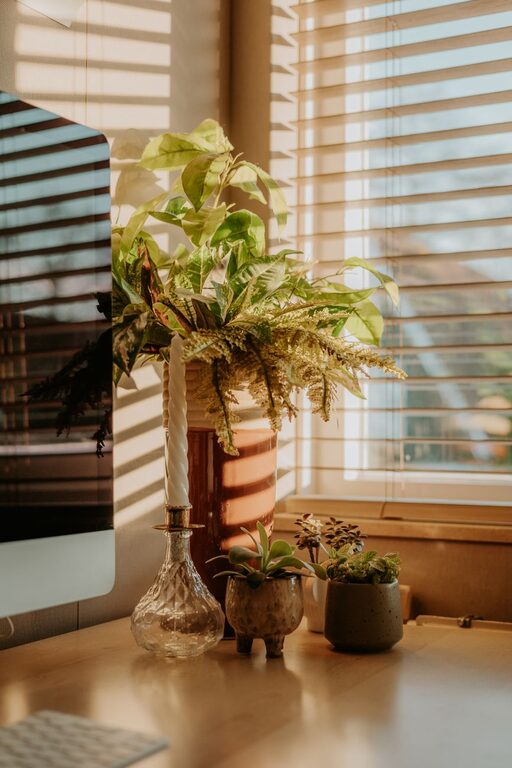
Creating a relaxing home office environment is essential for staying productive and maintaining well-being while working from home. A calm, organized space can help reduce stress, enhance focus, and make your workday more enjoyable. Whether you’re setting up a new workspace or refreshing an existing one, these tips can guide you in creating a home office that feels comfortable and inspiring.
Choose the Right Location
Find a Quiet Spot
Select a part of your home where you can minimize distractions. Ideally, this space should be away from high-traffic areas like the kitchen or living room. If possible, choose a room with a door that you can close to create boundaries between work and relaxation time.
Consider Natural Light
Natural light can improve mood and energy levels. Position your desk near a window or in a well-lit area. If natural light is limited, invest in soft, warm artificial lighting that mimics daylight to reduce eye strain.
Declutter and Organize
Keep Your Desk Clear
A cluttered desk can increase feelings of stress and make it harder to focus. Try to keep only your essentials on the desk — computer, notebook, pen, and any frequently used accessories. Store other items in drawers or organizers.
Use Storage Solutions
Shelves, filing cabinets, or storage bins can help keep your office neat. Label your storage to quickly find what you need and avoid piles of papers and miscellaneous items.
Choose Comfortable Furniture
Ergonomic Chair
Invest in a good chair that supports your back and promotes healthy posture. This can prevent discomfort and fatigue during long work hours.
Adjustable Desk or Standing Option
If possible, use a desk with adjustable height to alternate between sitting and standing. This can help reduce body stiffness and boost circulation.
Personalize Your Space Thoughtfully
Use Calming Colors
Soft, neutral colors like light blues, greens, or grays can create a relaxing atmosphere. Avoid overly bright or harsh colors that may cause visual fatigue.
Add Plants
Indoor plants not only improve air quality but can also bring a sense of calm and connection to nature. Easy-care options like succulents or pothos are great choices for busy individuals.
Display Inspiring Items
Include a few personal touches such as photos, artwork, or motivational quotes that uplift your mood without overwhelming your workspace.
Manage Sound and Noise
Use Noise-Canceling Headphones
If you have noisy surroundings, noise-canceling headphones can help you focus better and reduce distractions.
Play Soft Background Music
Instrumental or ambient music at a low volume can create a peaceful environment. Experiment to find what works best for your concentration.
Consider Soundproofing
For a more permanent solution, adding rugs, curtains, or acoustic panels can help absorb sound and soften echoes.
Create a Routine and Boundaries
Set Working Hours
Even at home, try to maintain consistent work start and end times. This helps signal your brain when it’s time to focus and when to relax.
Dedicated Workspace = Work Zone
Use your home office only for work. Avoid doing non-work-related activities there to keep your brain tuned into productivity.
Take Regular Breaks
Short breaks refresh your mind and body. Step away from your desk to stretch, breathe, or take a quick walk.
Optimize Technology and Tools
Use Efficient Equipment
Make sure your computer, internet connection, and office tools work smoothly to avoid technical frustration.
Cable Management
Organize cables to prevent tangles and visual chaos. Clips, sleeves, or under-desk trays work well for keeping cords neat and out of sight.
Set Up a Charging Station
A dedicated spot for charging your devices keeps your workspace tidy and your gadgets ready to use.
Focus on Air Quality and Comfort
Ventilation
Open windows when possible or use a fan or air purifier to keep fresh air circulating.
Temperature Control
Keep the room temperature comfortable, not too hot or cold. Use a small fan or heater as needed.
Add Aromatherapy
Mild scents like lavender or eucalyptus can promote relaxation. Use essential oil diffusers or scented candles safely.
Final Thoughts
Creating a relaxing home office environment doesn’t require major renovations — small, intentional changes can make a big difference in how you feel during your workday. Prioritize comfort, organization, and personalization to build a space that supports productivity and peace of mind. By setting boundaries and maintaining your work area, you’ll find it easier to focus, reduce stress, and enjoy your time at home.
Remember, your workspace should serve you, helping you do your best work while keeping you calm and motivated. Start with one or two tips and gradually build the ideal home office that works for you. Happy decorating!